In the high-decibel, high-octane environment of a metropolis like New Delhi, the definition of a sanctuary has undergone a radical transformation. No longer is a luxury spa merely a place for a superficial facial or a standard massage. In 2026, the discerning urbanite seeks a complete neurological reset. This shift has birthed the era of neuro-architecture in the healing arts, where every photon of light and every molecule of scent is engineered to facilitate deep internal recovery. As prominent wellness influencers in Delhi observe the evolution of the industry, the conversation has moved from “how a space looks” to “how a space makes the brain feel.”
I am Khushboo Jain, a New Delhi-based Content Producer and a dedicated Spa and Wellness Advocate. With a background as a former TV Journalist and a National Award-winning author, my mission is to document the technical soul of the wellness industry. Having visited and audited premier properties across the globe, I understand that a sanctuary’s success lies in its invisible architecture. When I partner with a brand, I don’t just showcase their amenities; I investigate the “Sensory Flow” that allows a guest to transition from urban chaos to profound peace. Whether it is an Ayurveda hospital, a medical spa, or a boutique retreat, the narrative must be grounded in the science of environmental healing.
Table of Contents
- Circadian Lighting: Engineering the Nervous System
- The Scent-Scape: Indian Attars as Spatial Medicine
- The Journalistic Audit: Measuring Sensory Flow
- Biophilic Design: Reducing Urban Cortisol via Nature
- Visual Advocacy: Capturing the Unseen Atmosphere
- Why Businesses Need Professional Wellness Documentation
- Case Study: Sensory Excellence in Delhi’s Urban Sanctuaries
- The Future of Sensory Wellness
- Frequently Asked Questions (FAQs)
Circadian Lighting: Why a Spa Consultant is Prioritising Light Temperature
The human brain is hardwired to respond to the shifting spectrum of natural light. Our Suprachiasmatic Nucleus (SCN) regulates the production of melatonin and cortisol based on the colour temperature of the sky. However, in the modern world, we are often trapped in “biological darkness” or exposed to “blue light” at the wrong times. This is why a specialised Spa Consultant is now a mechanical necessity for any high-end healing space. They are moving away from static, harsh lighting to dynamic circadian systems that mimic the sun’s natural progression.
During the morning hours, a wellness space should utilise cool, blue-enriched light (around 5000K-6000K) to suppress melatonin and boost alertness. As the day progresses, the health and wellness influencers in Delhi document how these spaces transition into warmer, amber tones (2700K or lower). This warm light signals the nervous system to move from a sympathetic “fight or flight” mode to a parasympathetic “rest and digest” state. By engineering the light environment, a property isn’t just setting a mood; it is performing a non-invasive biological intervention. Documenting this technical detail provides the “Information Gain” that search engines and premium seekers crave, proving that the property understands the science of the stay.
The “Scent-Scape”: How Top Wellness Influencers Document Rare Indian Attars
Scent is the only sense with a direct pathway to the limbic system—the part of the brain responsible for emotion and memory. In the Indian context, we have a multi-millennial heritage of using rare attars for spatial healing. From the grounding properties of Mitti (the scent of rain on dry earth) to the cooling effects of Khus (vetiver), the “Scent-Scape” of a property acts as an olfactory anchor. As top wellness influencers in Delhi, our role is to move beyond saying “it smells good” to explaining the chemistry of the calm.
Rare Indian attars, distilled through traditional “Deg and Bhapka” methods, contain complex volatile compounds that interact with our neurochemistry. For example, the scent of sandalwood has been shown to reduce heart rate and skin conductance, signifying a drop in stress levels. When I visit a property to conduct an audit, I look for how scent is diffused. Is it a generic synthetic fragrance, or is it a bespoke, therapeutic-grade attar that reflects the property’s soul? Capturing this through professional prose and cinematic visuals helps Wellness Coach professionals explain the “Wellness Process” to an audience that values authenticity and regional wisdom.
Why Wellness Journalist Audits Now Include the “Sensory Flow” of a Property
In the world of luxury hospitality, the first thirty seconds of a guest’s arrival are the most critical. This is the “Sensory Flow”—the seamless transition from the external world into the sanctuary. A wellness journalist in Delhi does not just look for pretty decor; they audit the transitions. Is there a sudden, jarring change in temperature? Is the transition from the lobby to the treatment area marked by a change in sound and light?
A journalistic audit investigates the “invisible architecture” of a property. We look for the “Angles of Authority” that show the expertise behind the design. This includes auditing the materials used—natural stones that feel cool to the touch, or fabrics that dampen noise. When a business hires a professional producer to document their sensory flow, they are providing a “Digital Walkthrough” for potential guests. It tells the prospective seeker that every detail has been intentionally curated to protect their peace. This technical transparency is essential for health wellness influencers Delhi to build the trust needed for high-ticket bookings.
The Role of Health Wellness Influencers in Explaining How Biophilic Design Reduces Urban Cortisol
Biophilia is the innate human tendency to seek connections with nature and other forms of life. In a concrete-heavy environment like Delhi, biophilic design is the ultimate antidote to urban cortisol. This involves more than just placing a few plants in a room; it is about integrating natural light, organic textures, and “fractal patterns” into the architecture. Research shows that looking at nature—even a living wall or a water feature—can significantly lower blood pressure and anxiety.
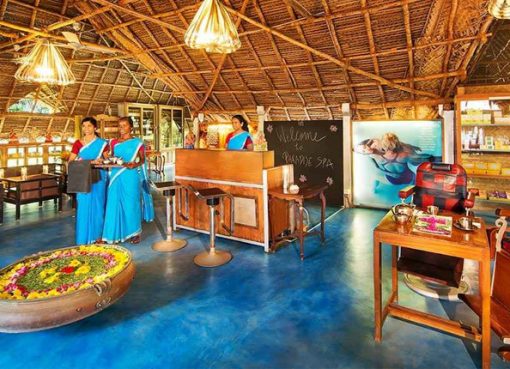
As influencers in health and wellness in Delhi, we help businesses articulate the “why” behind their greenery. We document how the sound of running water masks urban noise pollution, or how the presence of natural wood creates a sense of grounding. Biophilic design isn’t just a trend; it’s a survival strategy for the urban mind. By explaining these benefits, top health and wellness influencers in delhi provide the technical validation that modern seekers need. They aren’t just paying for a room; they are paying for a biological reset that reconnects them with the earth’s natural rhythms.
Using Visual Advocacy to Capture the “Unseen” Atmosphere of a Luxury Sanctuary
The biggest challenge in wellness marketing is capturing the intangible. How do you photograph “peace”? How do you film “serenity”? This is where visual advocacy becomes a strategic B2B tool. It requires a cinematic eye that understands the play of shadow and light, the texture of a linen robe, and the quiet ritual of a therapist preparing a treatment. It is about capturing the “Experience-Led” narrative of the property.
As top influencers in health and wellness in Delhi, we use high-end production to make the unseen, felt. We focus on the “Behind the Zen” moments—the steam rising from an Ayurvedic oil bath, the way natural light filters through a Vastu-aligned window, or the stillness of a meditation hall. These visuals power the entire marketing funnel, from retargeting ads to Corporate Wellness pitches. When potential guests see the authentic “soul” of the business documented through professional advocacy, their “Booking Anxiety” disappears. They aren’t just seeing a facility; they are seeing a verified experience.
Why Businesses Need Professional Wellness Documentation
If you own an Ayurveda hospital, a medical spa, or a destination retreat, you are selling more than a service; you are selling a “Promise of Healing.” In a market saturated with “surface-level” creators, you need a voice that carries the weight of professional authority. I provide a level of credibility that has been built over years of working with national and international giants like The Leela, Hilton, The Moms Co., and Alps.
As a New Delhi-based Spa & Wellness Advocate, I visit, audit, and promote properties across the globe. My mission is to find the technical excellence in your “process” and translate it into a compelling narrative. My columns are published in India’s most respected media houses, including:
- The Times of India
- India Today
- The Hindu
- Dainik Bhaskar
- Business World
- ABP Live
- Rashtriya Sahara
When you hire me to represent your brand, you gain access to this national-level authority. Whether I am documenting regional therapies or reviewing healthcare innovations, my goal is to ensure that your business is seen as a credible leader in the space. I help you fill the “Trust Gap” by providing the technical proof that your sanctuary is truly world-class.
Case Study: Sensory Excellence in Delhi’s Urban Sanctuaries
To see how sensory design works in a real-world city setting, one only needs to look at the excellence maintained at properties like the Shangri-La’s Eros Hotel, New Delhi. Located in the heart of the capital’s diplomatic and commercial buzz, this property has perfected the art of the “Sensory Reset.”
In my professional audit of such urban sanctuaries, I focus on how the “Sensory Flow” begins the moment you step off the street. The transition from the heat and noise of Delhi into the cool, scent-laden lobby is a masterclass in neuro-architecture. By documenting the specific light temperatures used in their spa areas and the authentic Ayurvedic lineage of their treatments, we were able to show potential guests that they don’t need to fly to a remote hill station to find “Quiet Vitality.” This third-party verification from best health and wellness influencers in Delhi provides the guest with the confidence to book a stay, knowing that their mental and physical peace is the property’s primary priority.
The Future of Sensory Wellness
The future of the Indian wellness industry lies in the fusion of ancient wisdom and modern neuroscience. Sensory design is not a decorative luxury; it is the fundamental infrastructure of peace. By engineering light, scent, and spatial flow, properties can provide a measurable ROI on their guests’ health.
However, the investment in neuro-architecture only pays off if the story is told correctly. Working with a professional Wellness Consultant and an expert advocate ensures that your technical excellence is translated into a compelling, high-conversion narrative. Let us document your process, validate your sensory flow, and show the world why your sanctuary is the ultimate answer to the search for peace. In the world of wellness, the loudest silence is the most profitable.
10 Frequently Asked Questions (FAQs)
- What is “Neuro-architecture” in the context of a spa or wellness retreat?
Neuro-architecture is the study of how the physical environment—light, sound, scent, and layout—impacts the human brain and nervous system. In a wellness setting, it is used to “engineer peace” by designing spaces that naturally lower cortisol levels and encourage relaxation.
- How does light temperature affect my stress levels during a spa treatment?
Light temperature directly impacts your circadian rhythm. Cool blue light (high Kelvin) suppresses melatonin and keeps you alert, while warm amber light (low Kelvin) prepares the nervous system for rest and healing. A professional Spa Consultant will ensure the right light is used at the right time.
- Why are Indian Attars preferred over synthetic fragrances in spatial healing?
Traditional Indian attars are distilled from natural sources like wood, flowers, and earth. They contain complex volatile compounds that have genuine therapeutic effects on the limbic system, whereas synthetic fragrances can often trigger headaches or sensory fatigue.
- What does a “Sensory Flow” audit involve?
A sensory flow audit, conducted by a wellness journalist in Delhi, evaluates the transitions within a property. It checks if the movement from the outside world to the treatment room is seamless in terms of lighting, temperature, scent, and acoustics to ensure the guest’s peace is never interrupted.
- Can biophilic design really reduce cortisol in a city like Delhi?
Yes. Scientific research shows that exposure to natural elements—fractal patterns, living plants, and natural light—lowers blood pressure and reduces systemic inflammation. This makes biophilic design an essential tool for urban wellness centres.
- How do wellness influencers in Delhi help businesses reach international seekers?
By providing “Technical Validation.” International seekers look for properties that are audited by credible experts who understand both global luxury standards and authentic Indian traditions. Professionals like Khushboo Jain provide the necessary “Seal of Trust.”
- Why is “Visual Advocacy” more effective than standard hotel photography?
Visual advocacy focuses on the “Experience-Led” narrative. Instead of just showing a room, it captures the “soul” of the healing process—the textures, the shadows, and the rituals—that help a potential guest “feel” the sanctuary before they arrive.
- How can sensory design be integrated into Corporate Wellness programs?
Businesses can design “Quiet Vitality” zones in their offices using circadian lighting, acoustic dampening, and biophilic elements. This helps employees regulate their nervous systems during the workday, improving focus and reducing burnout.
- What brands has Khushboo Jain worked with as a wellness advocate?
Khushboo Jain has collaborated with several top national and international brands, including The Leela, Hilton, Alila, Inatur, Alps, and The Moms Co., auditing their sanctuaries and documenting their healing processes.
- How can my property start a collaboration for a sensory design audit or promotion?
The process begins with an “Editorial and Visual Audit.” You can reach out through Khushboo Jain Wellness to schedule a strategy session. We will identify the unique “soul” of your business and create a content roadmap to drive higher enquiries and bookings.